
Community Gathering Spaces: Portland's Best Farmers Markets, Community Gardens, and Neighborhood Hubs
There's something about Portland that makes neighbors actually want to be neighborly. Maybe it's the persistent drizzle that reminds us we're all in this together, or maybe it's just that we've collectively decided that community matters more than convenience. Whatever the reason, Portland's gathering spaces - from bustling farmers markets to pocket-sized community gardens - have become the social infrastructure that keeps our neighborhoods humming.
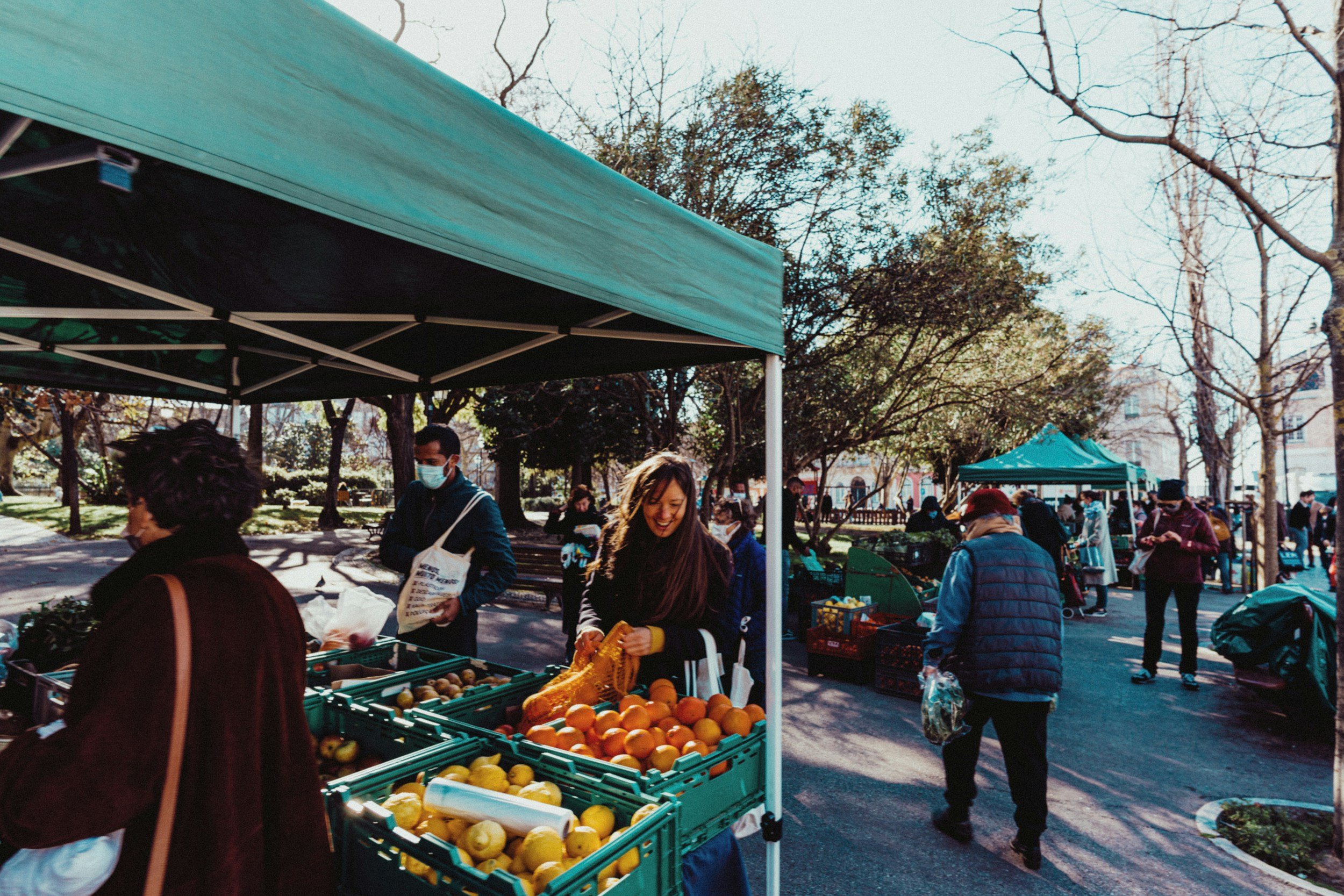
Take the Portland Farmers Market at PSU, for instance. Every Saturday from March through December, the South Park Blocks transform into what feels like the city's living room. Sure, you're there for the Ayers Creek Farm beans or those ridiculous marionberry hand pies from Lauretta Jean's, but you're also there because you'll inevitably run into someone you know. It's where deals get discussed over coffee, kids chase each other around vendor stalls, and you can actually ask the person who grew your carrots what they recommend doing with the tops. The Wednesday market at Shemanski Park offers a similar vibe on a smaller scale - perfect for the downtown crowd grabbing lunch or early dinner ingredients without fighting weekend crowds.
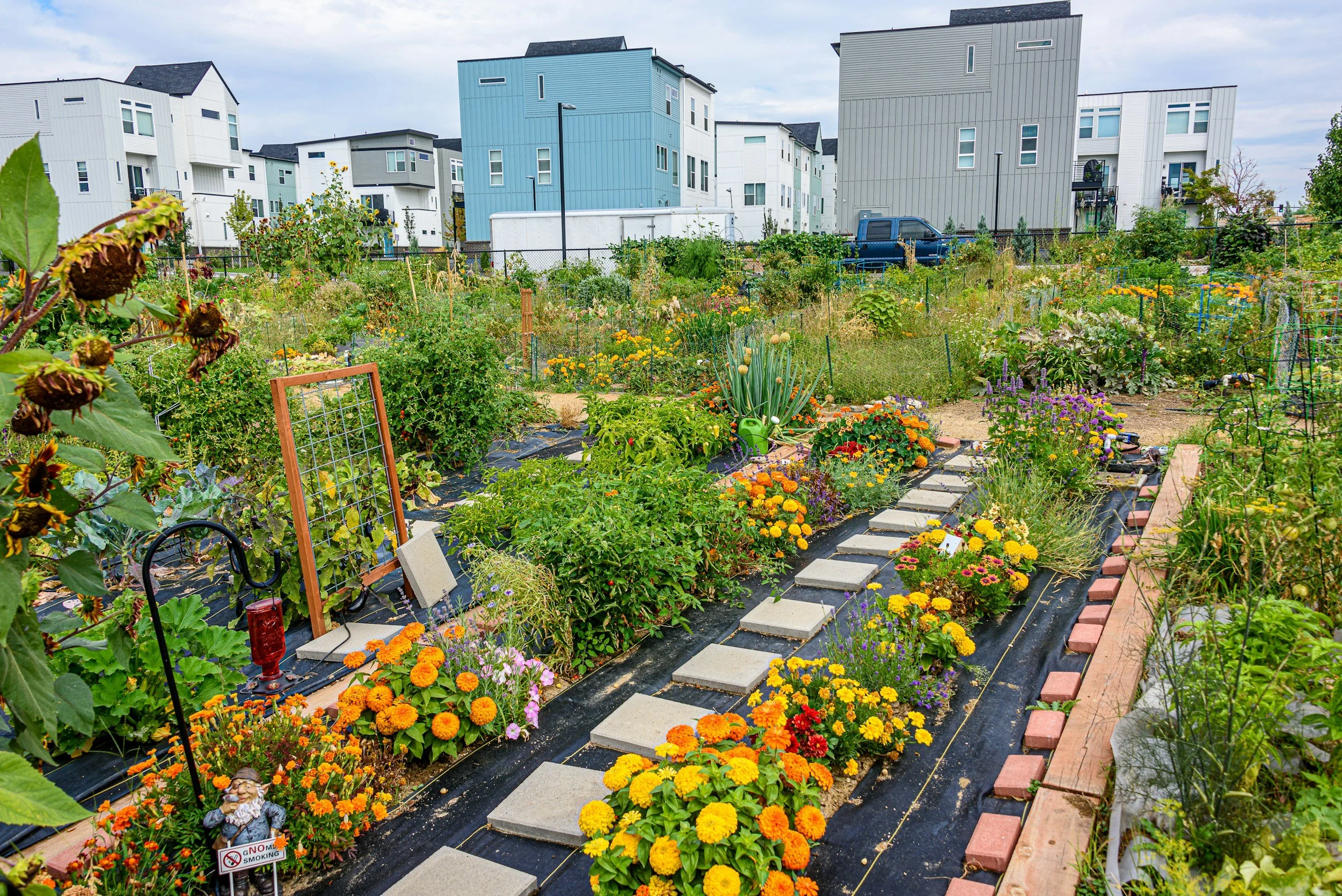
Community gardens tell a different but equally Portland story. The Fulton Park Community Garden in Southwest has been around since 1974, making it one of the city's oldest, and it's still going strong with a waitlist that proves people are hungry for dirt under their fingernails. Over in Northeast, the Cully Neighborhood has transformed vacant lots into thriving garden spaces that double as gathering spots where recent immigrants grow familiar vegetables from home alongside Portland natives experimenting with heirloom tomatoes. These aren't just places to grow food - they're where knowledge gets shared, friendships form over compost bins, and the season's first ripe strawberry becomes an excuse for impromptu celebration.
Then there are the neighborhood hubs that don't fit into tidy categories but somehow anchor their communities anyway. The Alberta Co-op Grocery on Northeast Alberta has been resident-owned since 2002, functioning as both food source and community bulletin board. The St. Johns Community Center, with its year-round farmers market and endless roster of classes and events, has become the heart of a neighborhood that fiercely protects its working-class roots while welcoming newcomers. Even spaces like the Lents International Farmers Market - open Sundays from June through October - have become gathering points where the neighborhood's incredible diversity isn't just tolerated but celebrated, with vendors representing cuisines and cultures from around the world.
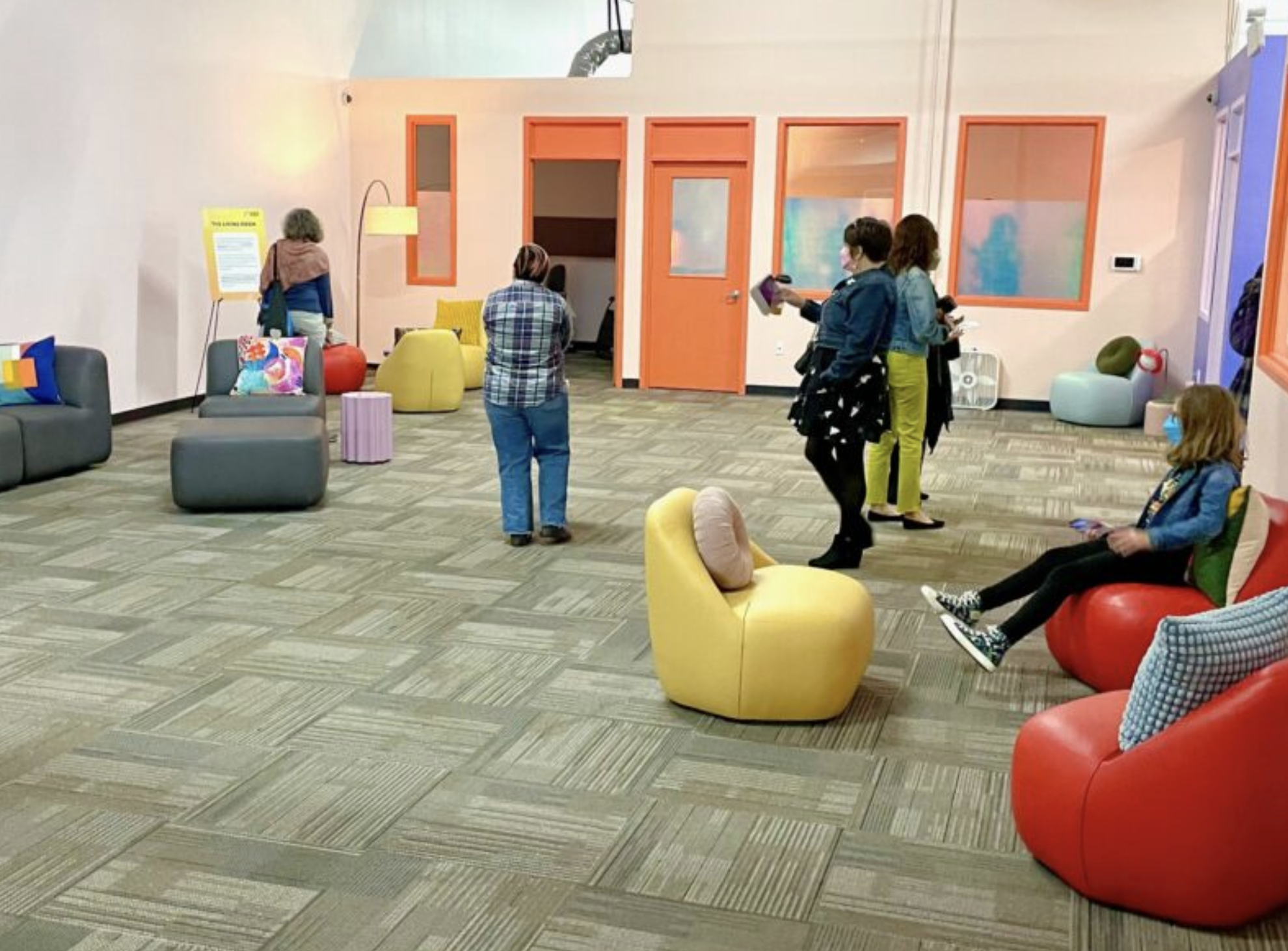
The Marie Equi Center, located in Southeast Portland, stands as a vital resource for the city's LGBTQ+ community. Named after Dr. Marie Equi, a pioneering Oregon physician and activist who lived openly as a lesbian in the early 1900s, the center provides healthcare services specifically designed for queer and trans individuals. Operating as a community health clinic, it offers a plethora of resources and advocacy to the community in an affirming environment where folks don't have to explain their identities or educate those helping them. The center hosts support groups, community events, and educational workshops that address everything from gender-affirming care navigation to exercise classes to building chosen family networks. It's become one of those rare spaces where Portland's queer community can simply exist in community together.
What makes these spaces work isn't Instagram-worthy aesthetics or trendy programming - it's consistency and authenticity. They show up, week after week, season after season, creating rhythms that neighborhoods can build their lives around. They're where you learn that your neighbor keeps bees, where teenagers earn their first paychecks selling pottery, where retirees share seedlings and stories. In a city that's changed rapidly over the past decade, these gathering spaces remain constants - proof that community isn't something you stumble into, but something you cultivate, one conversation at a time.