
The New Wave of Portland Makers: Studios, Workshops, and Creative Spaces Redefining Local Craft
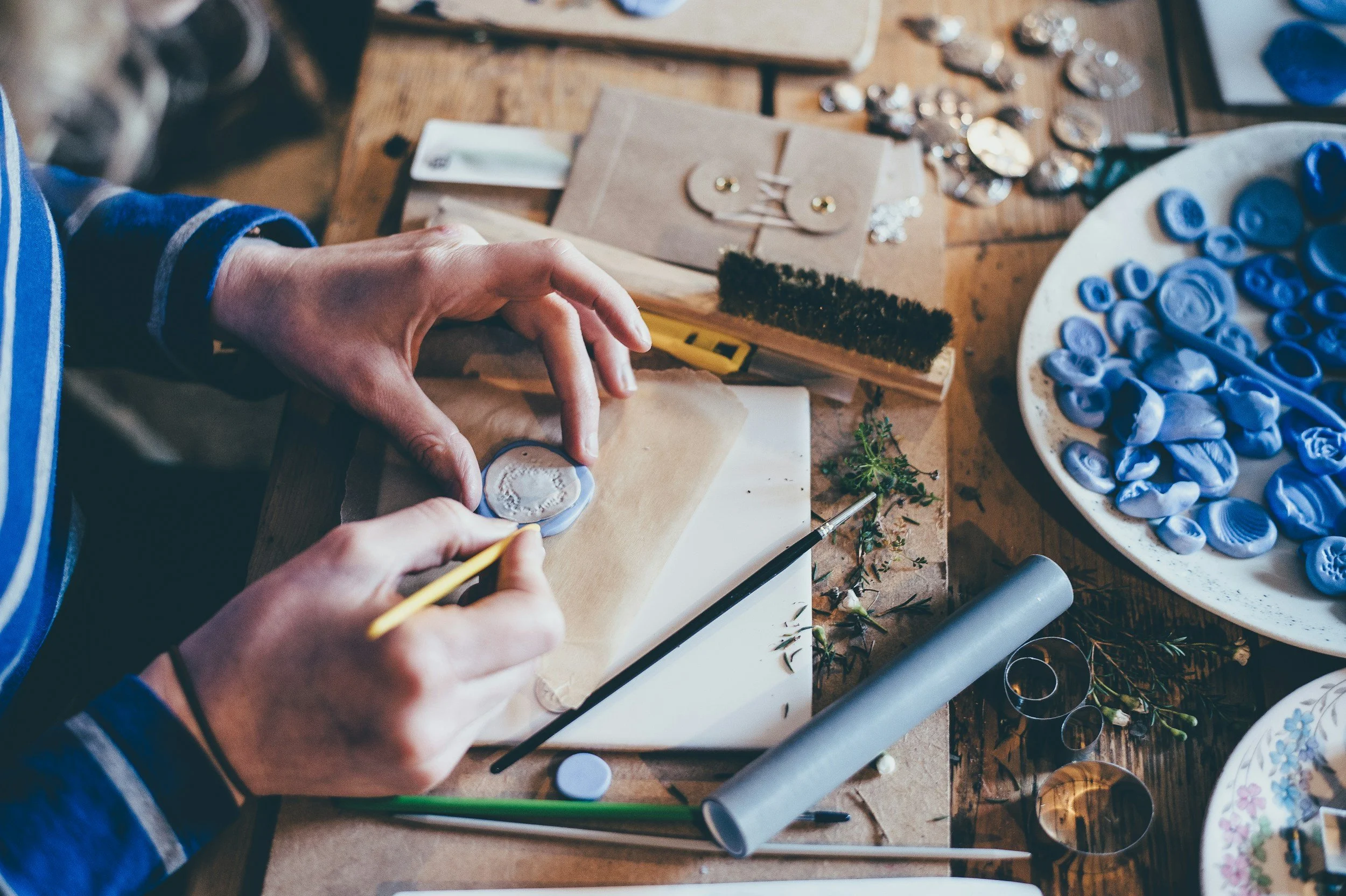
Walk into any neighborhood coffee shop in Portland on a weekday morning, and you'll likely overhear someone talking about their pottery class, their woodworking project, or the leather goods they're crafting in a shared studio space. This isn't just hobbyist chatter—it's a glimpse into Portland's thriving maker culture, one that's quietly reshaping how the city works, creates, and connects. While Portland has always had a DIY streak, the current wave of maker spaces, studios, and workshops represents something different: a professional-grade infrastructure that's making hands-on craft accessible to anyone with curiosity and a willingness to learn.
The growth has been remarkable. ADX Portland, one of the city's pioneering community workshops, has been operating since 2011 in the Central Eastside, offering access to industrial woodworking equipment, metalworking tools, and dedicated studio space. What started as a single warehouse has inspired dozens of similar spaces across the city. There's Forge Portland in Northwest, where you can learn blacksmithing in evening classes after your day job. The ReBuilding Center in North Portland combines salvaged building materials with workshop space, creating a unique intersection of sustainability and craftsmanship. And tucked into the Alberta Arts District, you'll find smaller-scale studios like Oblation Papers & Press, where traditional letterpress printing is alive and well, offering workshops that fill up weeks in advance.
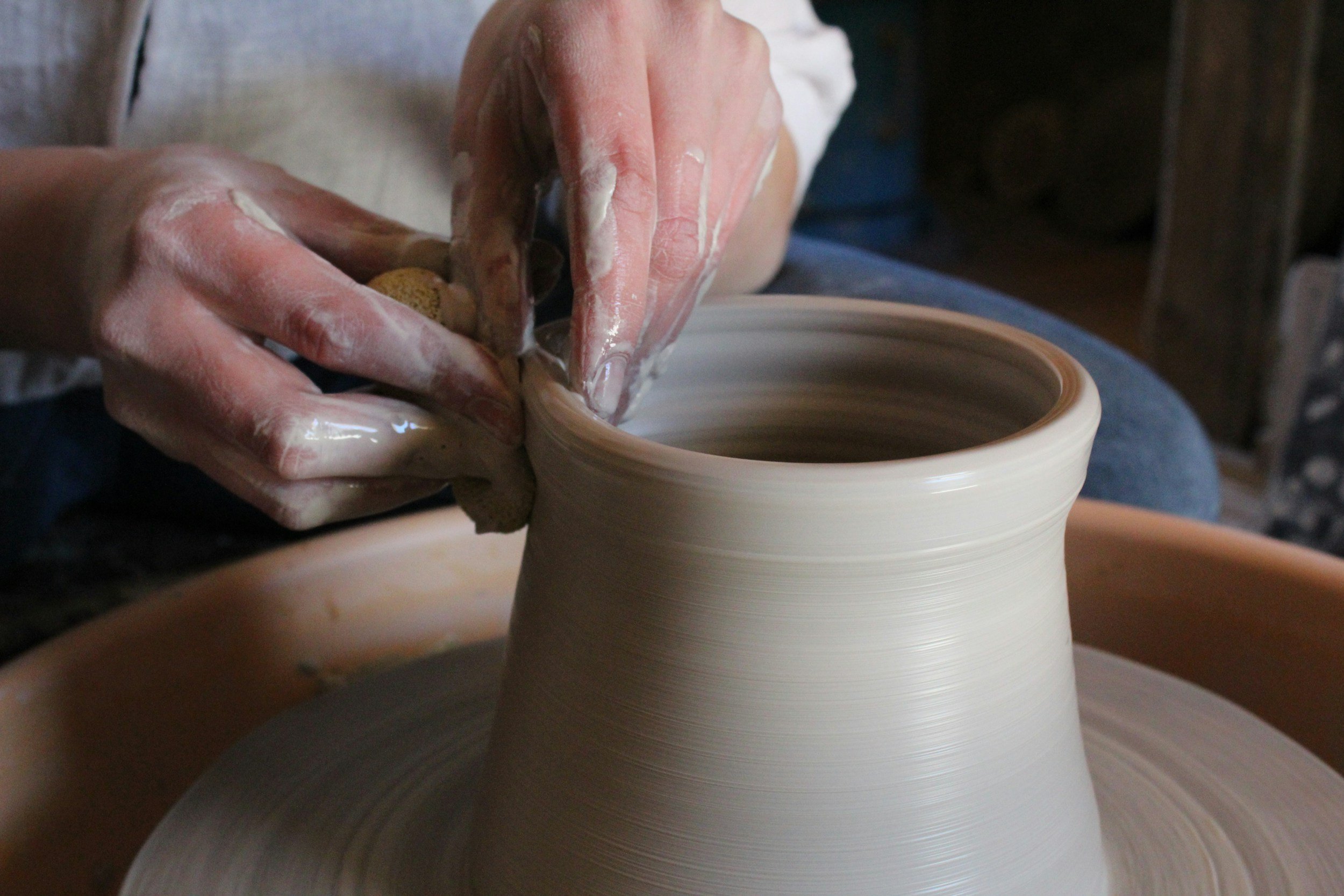
In the Boise neighborhood, Radius Art Studio represents the inclusive spirit that defines Portland's maker movement. This queer-owned creative community specializes in ceramics, offering everything from beginner-friendly workshops to full studio memberships for serious clay artists. Their handmade retail shop showcases work from local makers, creating a direct connection between craft education and the finished products you might gift or display in your home. What sets Radius apart is their commitment to making ceramics accessible regardless of experience level—the kind of welcoming, supportive environment where your first wobbly bowl is celebrated just as much as a seasoned potter's gallery-worthy piece.
What makes Portland's maker scene particularly interesting isn't just the variety of spaces—it's the accessibility and community ethos that defines them. Unlike exclusive artisan guilds or prohibitively expensive private studios, most of Portland's maker spaces operate on membership models or drop-in class structures designed for regular people with regular budgets. At places like The Joinery in Southeast, members pay monthly dues for 24/7 access to professional-grade woodworking equipment that would cost tens of thousands of dollars to own privately. This democratization of tools and knowledge means the architect sketching furniture ideas over lunch can actually build that side table by Thursday, and the graphic designer curious about ceramics can be throwing clay by the weekend.
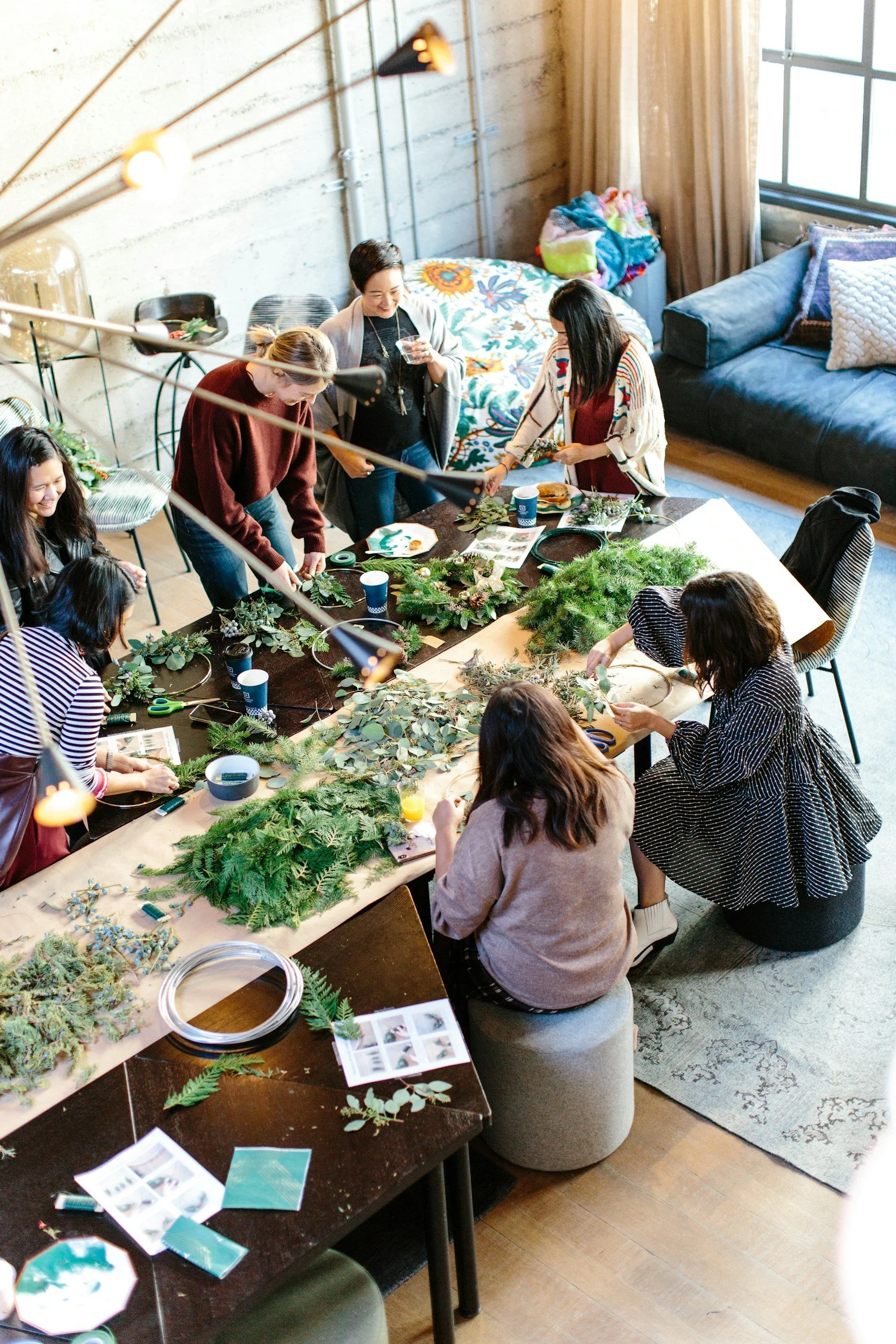
The impact extends beyond individual creative fulfillment. These spaces have become genuine community hubs where software developers learn welding alongside retired teachers, where startup founders prototype products next to career craftspeople. The Central Eastside Industrial District alone houses more than a dozen maker-focused businesses and cooperatives, contributing to the neighborhood's transformation from forgotten industrial zone to one of Portland's most dynamic creative districts. And unlike the tech boom that priced out longtime residents in other cities, Portland's maker movement has largely maintained its accessibility—you can still find studio memberships for less than a gym membership, and many spaces offer sliding-scale pricing or work-trade arrangements. It's this combination of professional resources, community accessibility, and Portland's fundamental appreciation for things made by hand that's turning the city into something rare: a place where making things isn't just respected, it's woven into the fabric of everyday life.