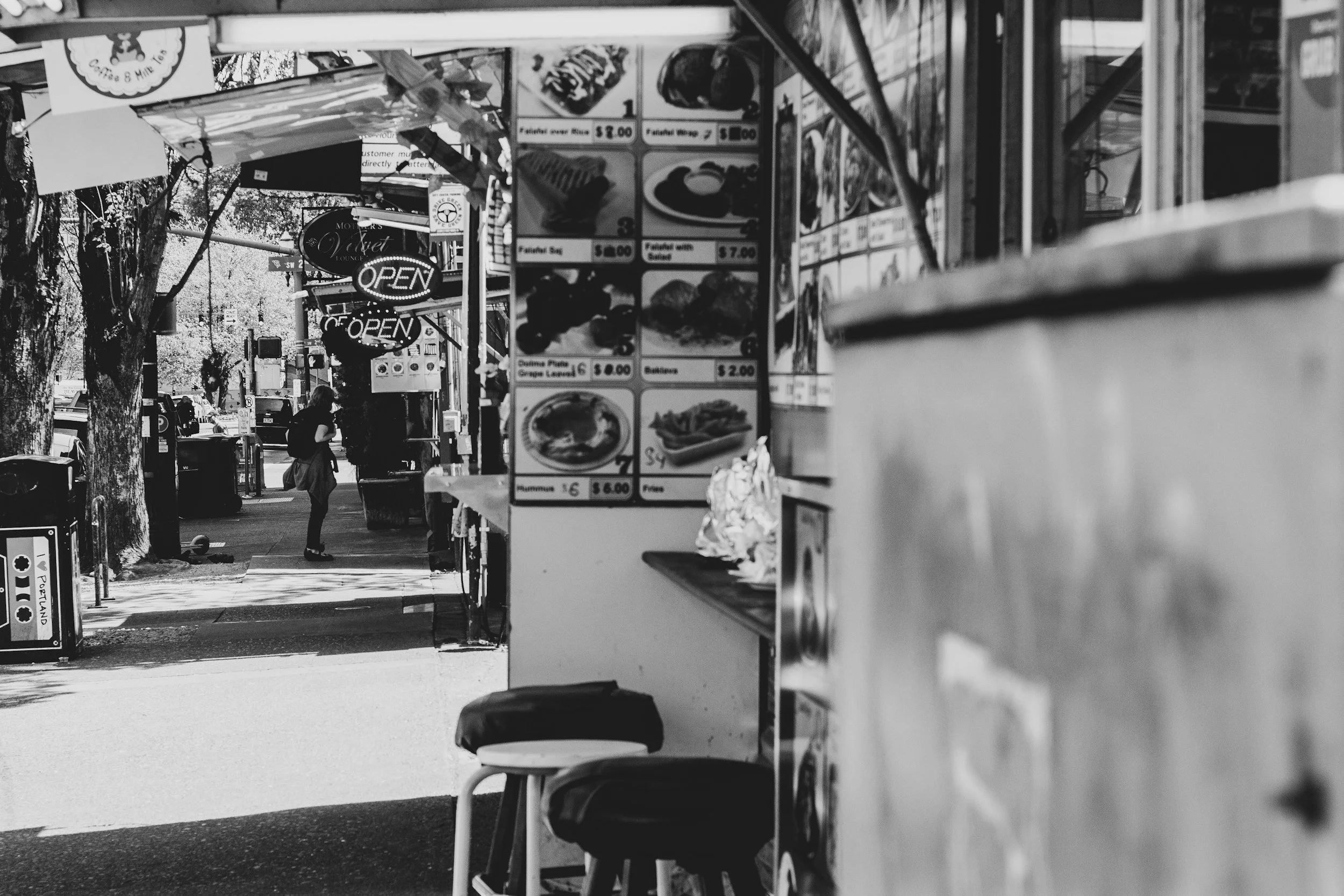
The Infamous Portland Food Cart Scene: How Portland's Mobile Dining Evolved and Where It's Headed
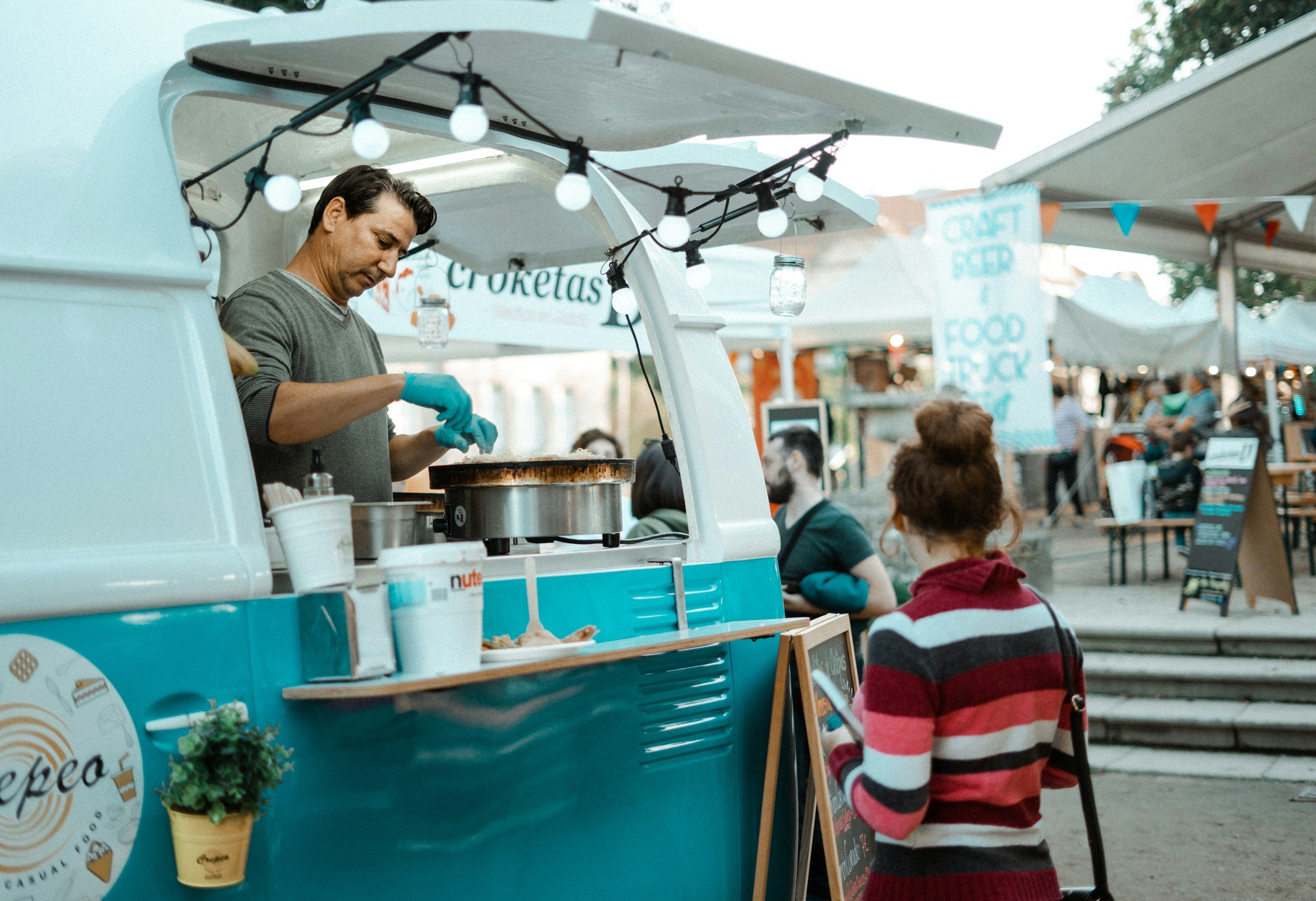
Remember when food carts were just that scrappy alternative to a sit-down restaurant? Portland's mobile dining scene has come a long way from its humble beginnings. What started as a handful of truck pods has transformed into one of the city's most defining culinary features and has become the proving ground for chefs, a launching pad for food trends, and honestly, the reason many of us can afford to eat interesting takeout multiple times a week.
The evolution has been fascinating to watch. In the early 2000s, food carts began clustering in parking lots around the city, particularly in downtown's SW 5th and Stark area, which became known as one of the first major pods. The city's relatively permissive regulations, made it easier for entrepreneurs to get started without massive upfront costs. The 2008 recession actually accelerated the movement, talented cooks who couldn't afford brick-and-mortar spaces turned to carts, and suddenly Portland had this incredible diversity of global cuisines all within a few blocks. Thai, Korean, Egyptian, Venezuelan – you could eat your way around the world without leaving a parking lot. Then food cart pods leveled up by adding bar carts and enclosed seating areas and the course was set.
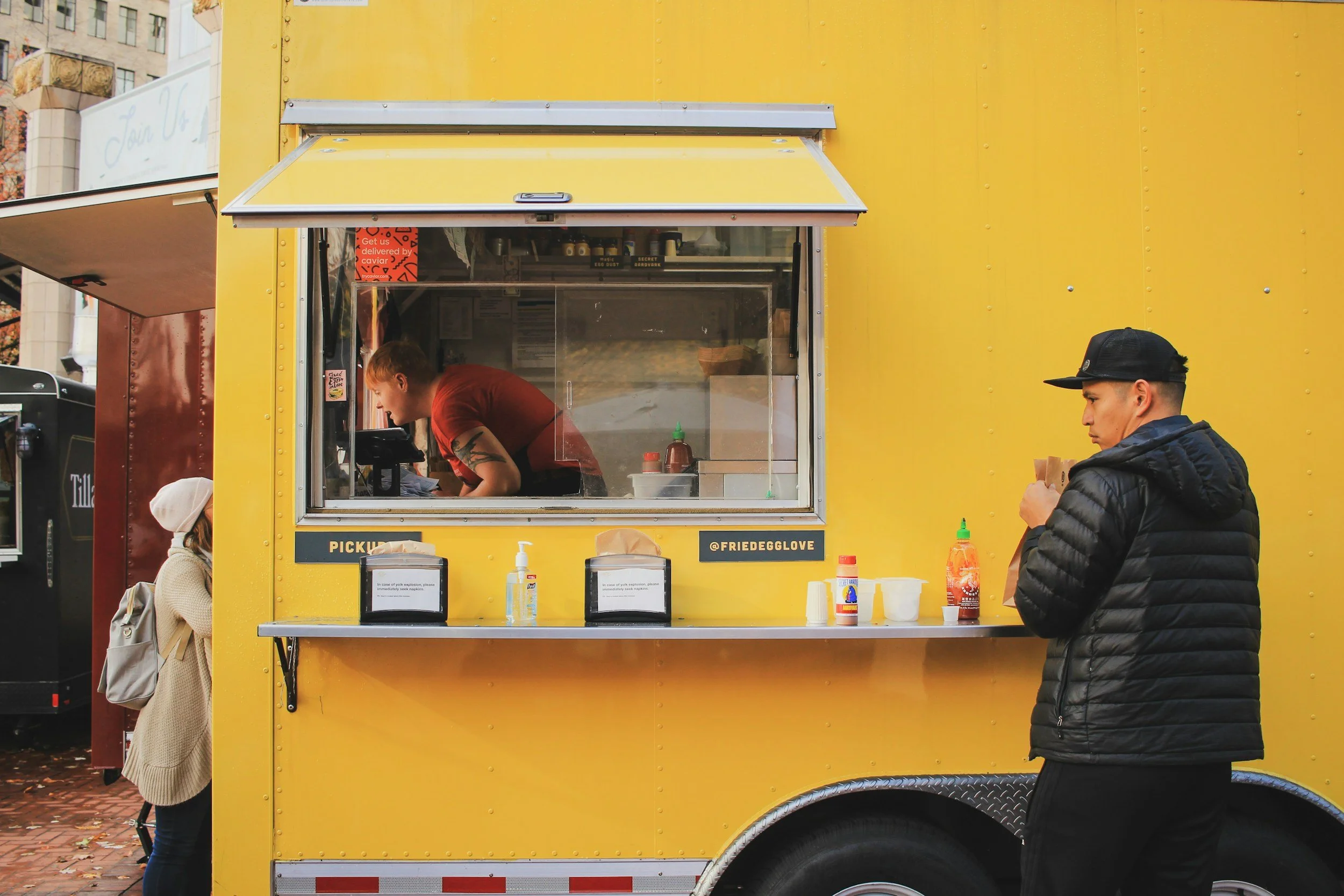
Today's food cart scene looks different than it did even five years ago. Yes, we've lost some beloved pods, but the scene has matured in interesting ways. You'll find carts that have been operating for over a decade with cult followings, carts that have expanded into successful restaurants, and newer arrivals pushing culinary boundaries. Places like the Hawthorne Asylum pod and the carts at Mississippi Marketplace have become neighborhood anchors. What's changed is the sophistication. We're talking about carts with Instagram-worthy plating, prix fixe menus, and wine pairings. The scrappy underdog energy is still there, but it's paired with serious culinary chops.
So where's it all headed? The pandemic was rough and we lost some long-time favorites. But it also proved how resilient the model is. Food carts adapted quickly with online ordering and contactless pickup, and new ones kept opening. Looking forward, there's a trend toward more permanent pod structures with attached indoor buildings and bars, better infrastructure, and integration into mixed-use developments. Some neighborhoods like Lents are seeing new pods pop up as part of revitalization efforts. The key is that food carts remain one of the most accessible entry points for food entrepreneurs, especially for immigrant communities and chefs of color who face barriers in traditional restaurant financing. As long as Portland stays weird and hungry, food carts will keep evolving and we'll all benefit from it.