Seasonal Rhythms: How Portland's Neighborhoods Transform Throughout the Year
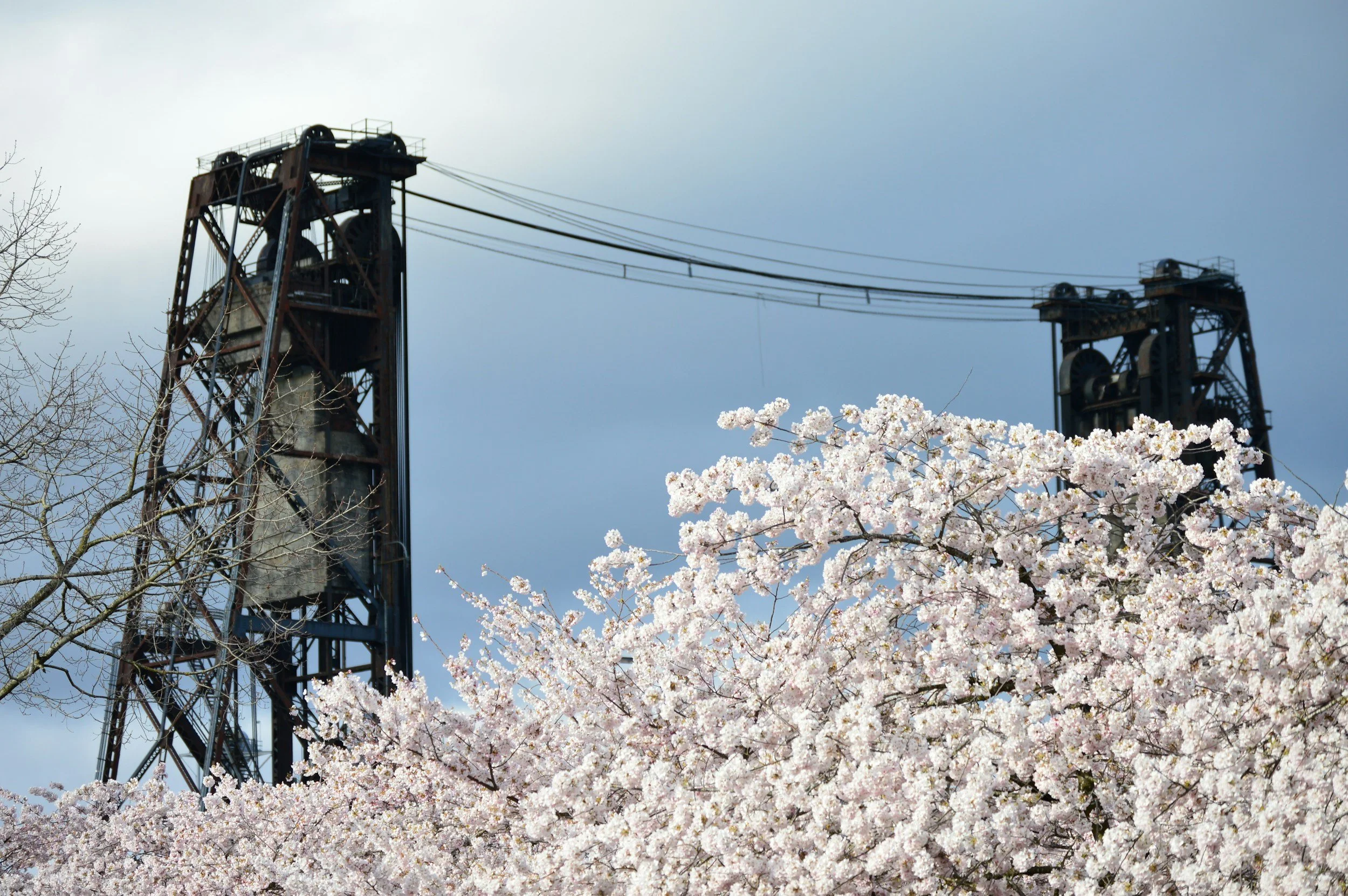
Living in Portland means you don't just experience four seasons—you experience four entirely different cities. Each neighborhood in this town has its own relationship with the changing weather, and if you pay attention, you'll notice how the rhythm of daily life shifts with the leaves, the rain, and the sudden appearance of summer sun.
Spring: When the City Remembers How to Socialize
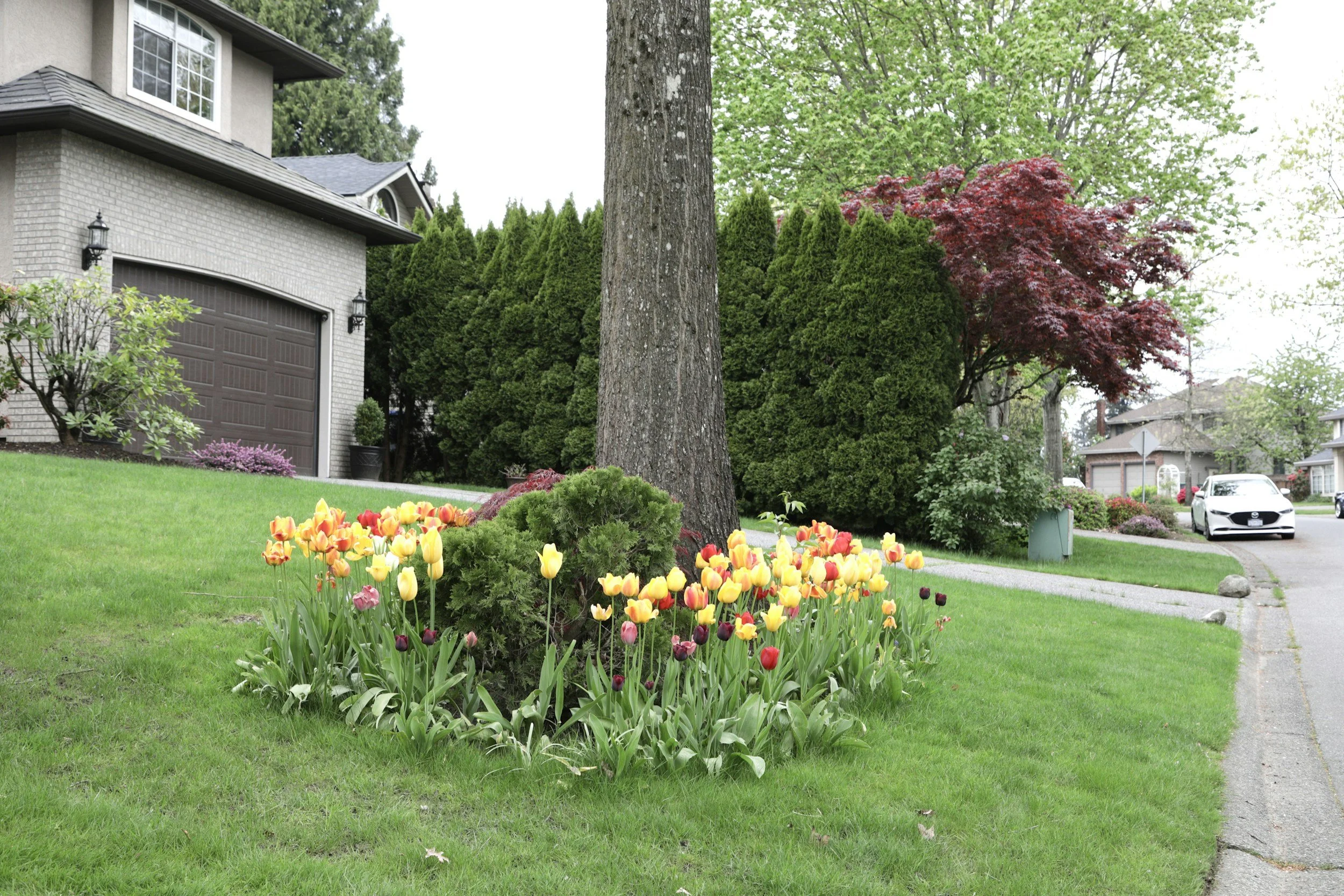
Come late March, something shifts in Portland. The rain doesn't stop—it rarely does until June—but those first warm days bring everyone out of hibernation. The neighborhoods come alive in ways that feel almost defiant of the drizzle. In Division-Clinton, the patios fill up despite the 55-degree temps, and locals break out their layers of flannel over t-shirts like it's a heat wave. Alberta Arts District sees its First Thursday art walk swell with crowds again, and the energy feels renewed after months of gray.
The Japanese Garden in Washington Park becomes a pilgrimage site when the cherry blossoms hit—usually mid-to-late March—and it's one of those rare times you'll see locals willingly standing in line alongside tourists. Meanwhile, the Saturday Market under the Burnside Bridge reopens in early March, and suddenly the waterfront feels like the social hub it's meant to be. Spring in Portland is less about sunshine and more about collective optimism—we're all just hoping this might be the year summer actually shows up on time.
Summer: The Great Outdoor Migration
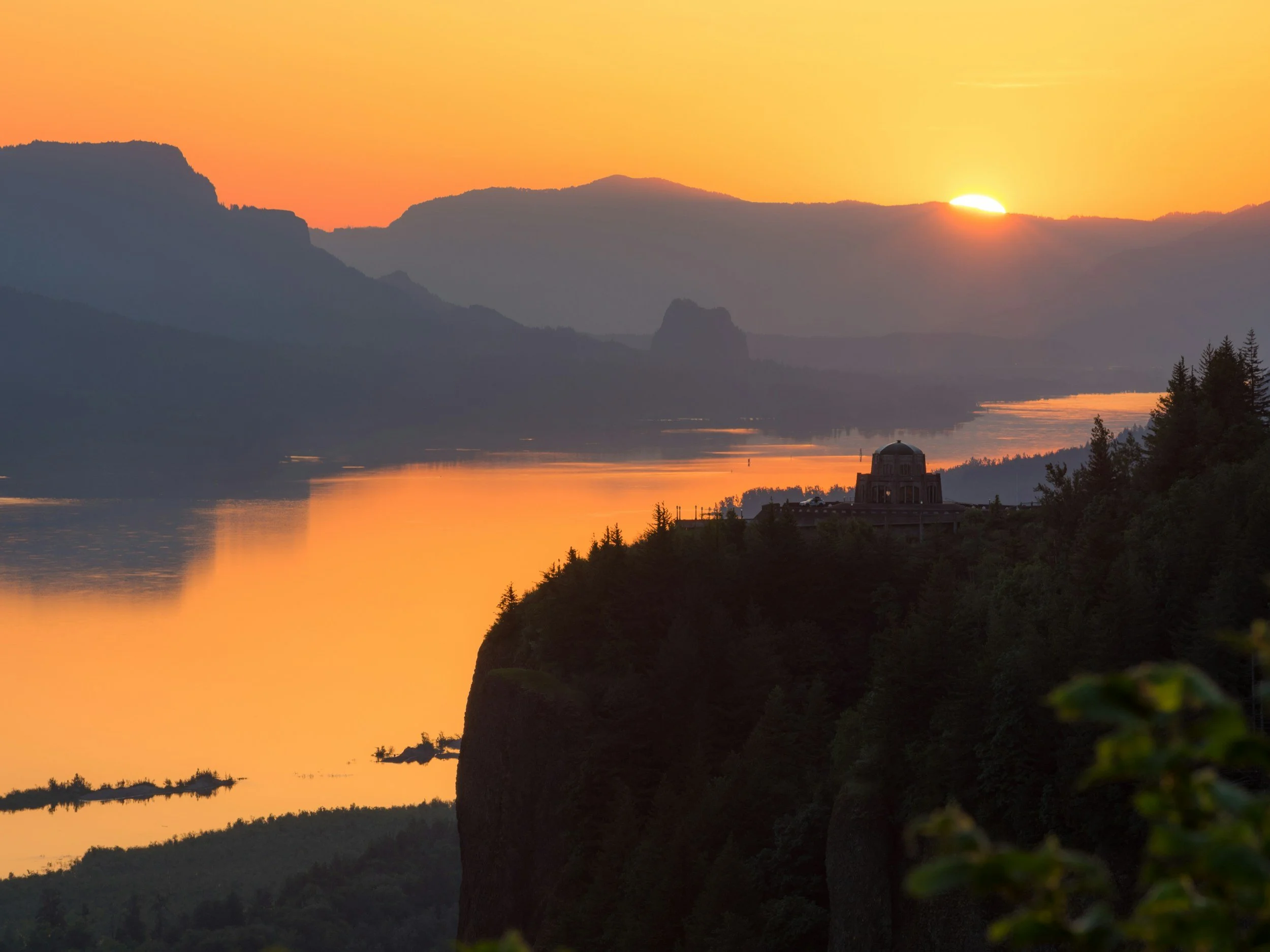
When summer finally arrives, usually around July 4th weekend, Portland neighborhoods transform into outdoor living rooms. The parks that sat mostly empty during the rainy months become the center of everything. Laurelhurst Park fills with picnickers, Mount Tabor becomes sunset central, and Peninsula Park's rose garden (the city's oldest public rose garden, dating to 1913) hits peak bloom with over 10,000 plantings.
The East side neighborhoods really shine in summer. Hawthorne and Belmont turn into pedestrian zones as people spill out of coffee shops and restaurants onto sidewalk seating. Mississippi Avenue hosts its street fair, and the vibe is pure Portland—live music, local vendors, and a crowd that somehow manages to look both effortlessly cool and completely unpretentious. Food cart pods see their peak season, with places like the Cartopia pod on Hawthorne staying busy until late night.
What's interesting is how summer changes the commute patterns too. The Springwater Corridor trail becomes a major bike thoroughfare, and you'll see a significant uptick in cyclists heading into downtown from outer Southeast neighborhoods. The Tilikum Crossing (our car-free bridge that opened in 2015) gets packed with pedestrians and bikers enjoying river views without the exhaust fumes.
Fall: Peak Portland Aesthetic
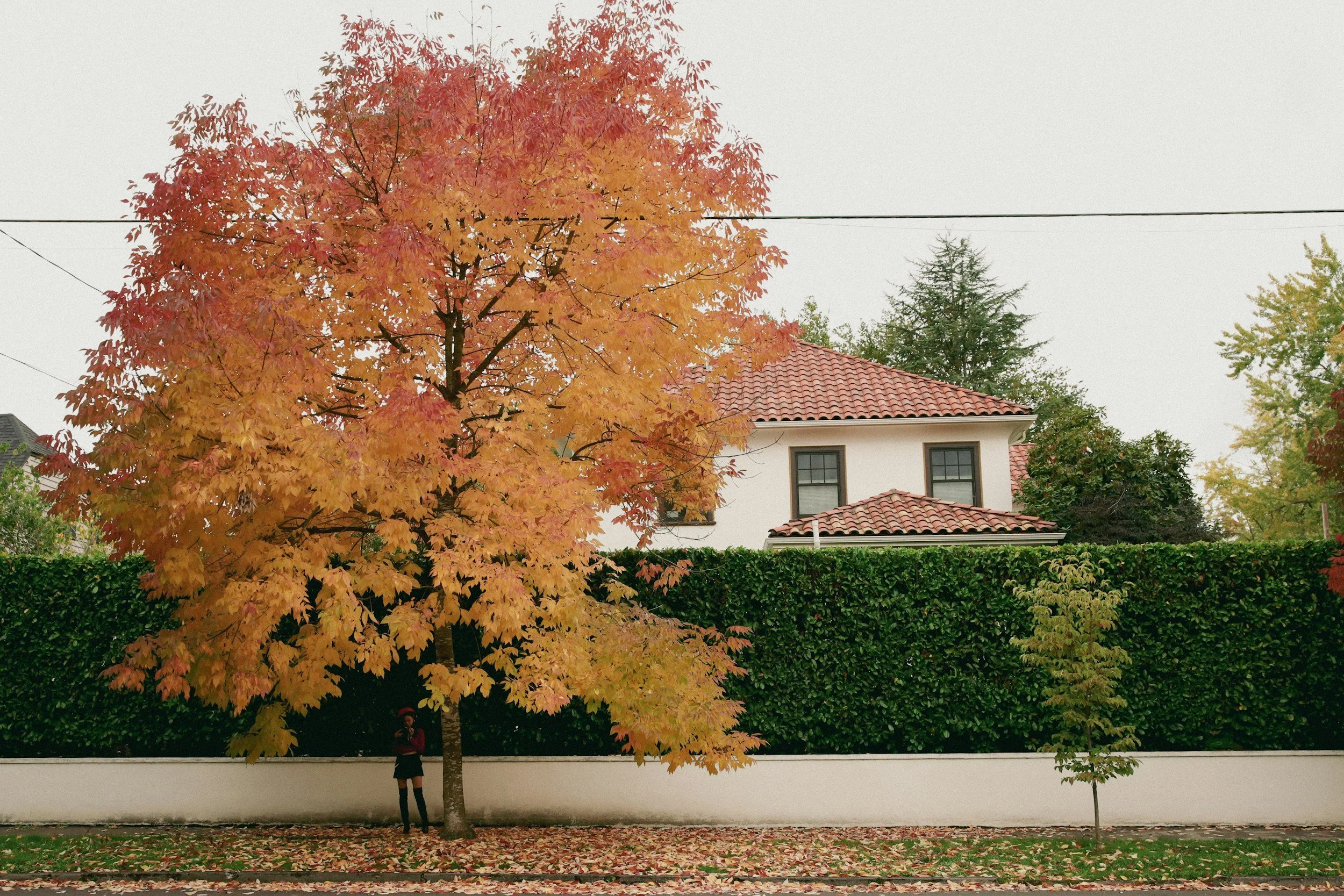
If there's a season that feels most quintessentially Portland, it's fall. October and November bring the kind of atmosphere that makes you understand why people tolerate nine months of rain. The tree canopy in neighborhoods like Irvington, Alameda, and Eastmoreland explodes in color—those historic streets with their craftsman homes look like they're straight out of a film set.
Forest Park becomes particularly magical in fall. The 5,200-acre urban forest shows off its big-leaf maples and vine maples in full autumn glory, and the trails are less crowded than summer but not yet muddy from winter rains. The Wildwood Trail, all 30.2 miles of it, offers different experiences depending on which neighborhood entrance you use—from the Northwest District's Lower Macleay Park to the Germantown Road trailhead.
This is also when Portland's café culture shifts indoors. Places like Coava on Southeast Grand or Heart Coffee on Burnside see their seating areas fill with people settling in for the long haul, laptops open, rain gear drying on chair backs. The farmers markets—including the Saturday PSU Farmers Market that runs through late November—take on a different character, with root vegetables and squash replacing summer berries, and vendors selling hot cider instead of cold-pressed juice.
Winter: The Neighborhood Hibernation (With Pockets of Warmth)
Winter is when you discover which Portland neighborhoods have real staying power. The Alberta Arts District and Mississippi Avenue maintain some energy even in January, with their concentration of bars, music venues, and restaurants keeping foot traffic steady. But the residential neighborhoods get quiet—like, really quiet. Streets in Sellwood, Hawthorne, and even bustling Nob Hill see fewer pedestrians as everyone retreats indoors.
This is when Portland's legendary bookstores and coffee shops earn their keep. Powell's City of Books in the Pearl District becomes an all-day destination, and neighborhood spots like Books With Pictures on Division or Broadway Books in Northeast see locals camping out with hot drinks and new reads. The cozy factor is real—think vintage couches, dim lighting, and the sound of rain on old windows.
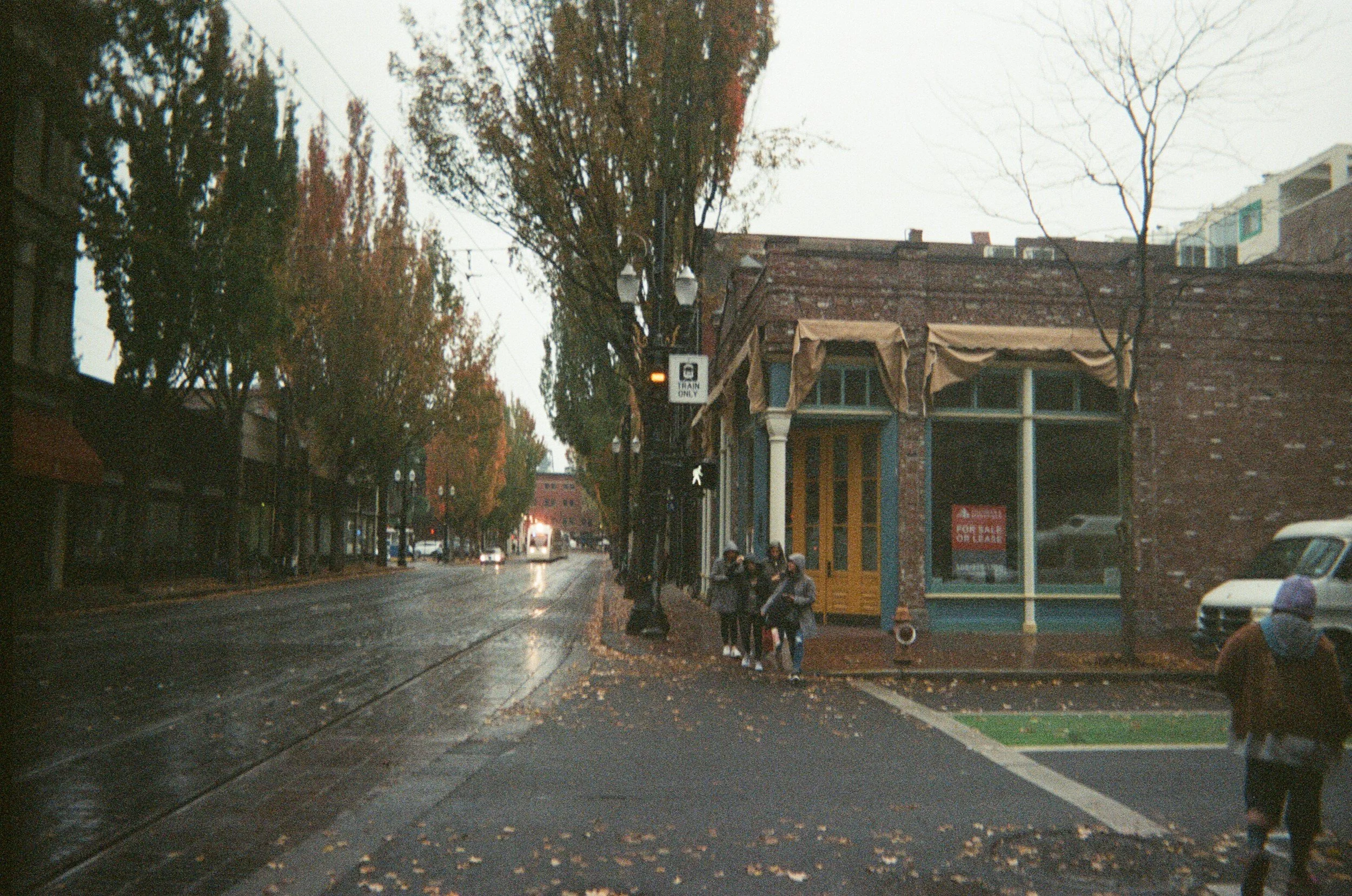
Winter also reveals Portland's microclimate quirks. The West Hills might get a dusting of snow while the East side stays clear. When the Gorge winds kick up, neighborhoods along the Columbia River corridor in North Portland feel noticeably colder than those tucked into Southeast. And every few years, we get an actual snowstorm that shuts the city down completely—Portland doesn't really do snow removal—and suddenly every neighborhood becomes hyperlocal. You'll see people walking to their closest grocery store instead of driving across town, and there's this brief moment where Portland feels like a collection of small towns rather than one city.
The Things You Don't Notice Until You Live Here
The seasonal transformation of Portland's neighborhoods isn't dramatic in the way you'd see in a place with harsh winters or scorching summers. It's subtle—the way outdoor seating appears and disappears, how the bike commuters multiply and vanish, the shift from farmers market strawberries to root vegetables. But once you tune into it, you realize that Portland's neighborhoods have a seasonal personality as distinct as the people who live in them. And honestly, that's part of what makes this place work. You're not just living through the seasons—you're living with them.