
Restorative Redevelopment: The Rebuilding of Albina, Portland's Historically Black Neighborhood
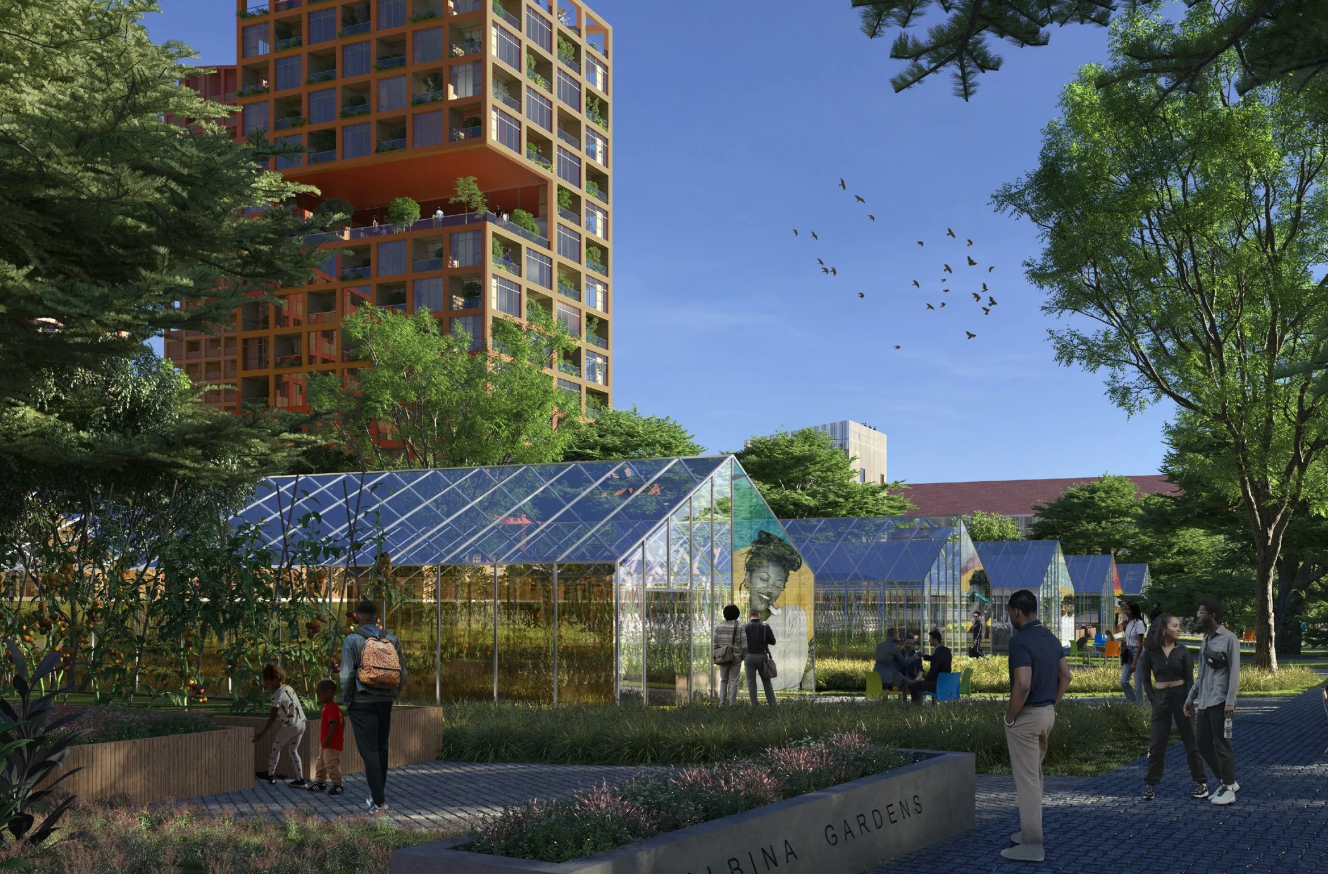
While Portland's been busy talking about equity for years, something genuinely transformative is happening in North and Northeast Portland. The 1803 Fund—a coalition of Black Portlanders and community leaders—just announced a $70 million investment to redevelop key parcels across the historically Black Albina neighborhood. We're talking prime waterfront property near the Moda Center, plus strategic sites throughout the area that was once the heart of Black Portland. This isn't your typical development story with the usual players. This is community-led rebuilding at a scale we haven't seen before.
Here's the thing about Albina that doesn't always make it into the glossy development pitches: this neighborhood was systematically destroyed. In the 1950s and 60s, urban renewal projects (and let's be honest, racist policy decisions) bulldozed thriving Black businesses and displaced thousands of families to make way for things like Memorial Coliseum and Interstate 5. The city literally cut through the neighborhood with a highway. What was once Portland's vibrant Black cultural and economic center got carved up and scattered. By the numbers, North and Northeast Portland went from being about 80% Black in the 1940s to less than 6% today. That's not gentrification—that's erasure.
Now, the city's Reconnecting Albina initiative is working to undo some of that damage by actually capping portions of I-5 and reconnecting the neighborhood. It's ambitious urban planning that acknowledges past wrongs while creating new opportunities. The 1803 Fund's investment fits right into this larger vision, focusing on creating spaces that support Black-owned businesses, affordable housing, and community gathering spots. Think mixed-use developments that prioritize the people who were pushed out, not the next wave of newcomers looking for the next hot neighborhood.
What makes this particularly interesting is the waterfront component. That prime real estate near the Moda Center could easily become another luxury condo tower or corporate development. Instead, the 1803 Fund envisions it as an anchor for economic development that actually serves the Black community. Imagine waterfront access paired with business incubators, cultural spaces, and housing that longtime community members can actually afford. It's the kind of development that asks "who is this for?" and answers with specificity rather than vague promises about rising tides lifting all boats.
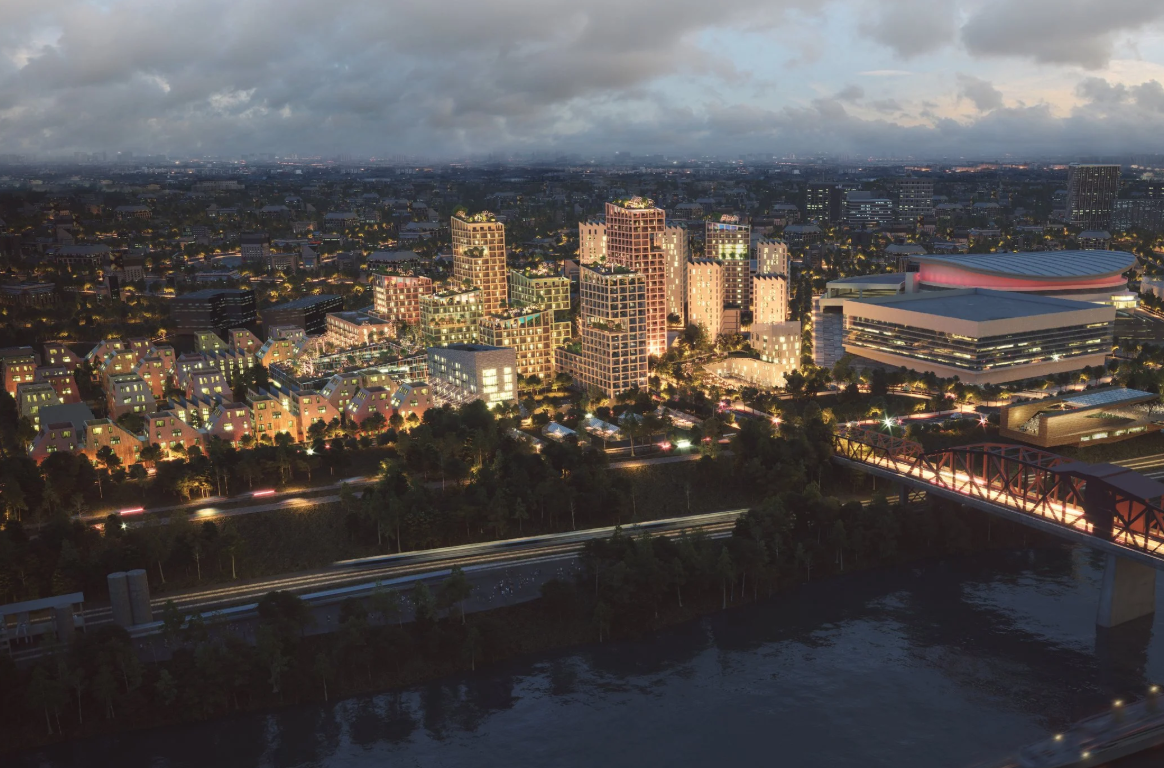
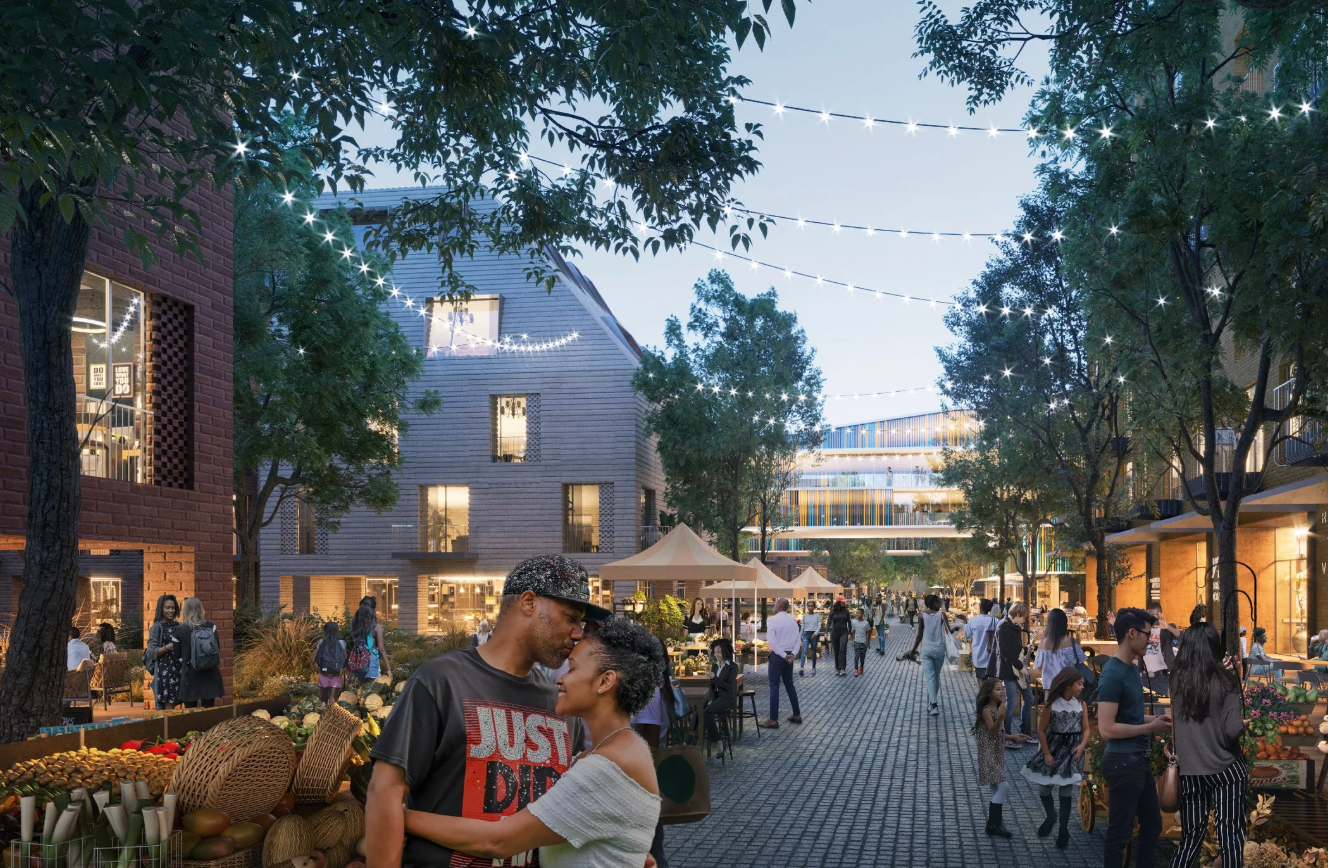
At the center of this redevelopment effort is the Albina Vision Trust, a nonprofit organization dedicated to restoring Lower Albina as the economic, residential, and cultural heart of Portland. The Trust emerged from decades of community organizing and advocacy, working to reverse the systematic displacement that hollowed out the neighborhood. Their approach isn't just about physical rebuilding—it's about centering the lives and economic wellbeing of the Black community that was pushed out. Through strategic land acquisition, community engagement, and partnerships with entities that share their values, Albina Vision Trust is creating a blueprint for what restorative development actually looks like when the community holds the reins.
One of the most significant partnerships to emerge from this work is the Albina Rose Alliance, a collaboration between Albina Vision Trust and the Portland Trail Blazers. This isn't your typical corporate-nonprofit relationship. The Alliance recognizes that the Trail Blazers and the Moda Center sit on land that was once the heart of Black Portland, and rather than ignore that history, they're actively working to address it. As Winta Yohannes, Executive Director of Albina Vision Trust, put it: "Standing shoulder to shoulder, business and community can band together to build the most innovative, people-centric and culturally rooted district in the United States of America." The partnership focuses on joint development strategy for the Rose Quarter, shared storytelling, legislative advocacy, and community celebration—all with the goal of making sustained reinvestment in Lower Albina the centerpiece for revitalizing the entire district. It's the kind of public-private partnership that acknowledges past harm while actively working toward a different future.
There's still a long road ahead—$70 million is substantial, but rebuilding what was lost takes more than money. It takes intentionality, community input, and a commitment to not repeating the mistakes that created this situation in the first place. But for anyone who's paid attention to Portland's complicated relationship with its Black community, this feels like a genuine attempt at restorative justice through development. Not just acknowledging what happened, but actively working to rebuild what was taken. That's worth watching, and more importantly, worth supporting.