If you've lived in Portland for more than a week, you've probably crossed at least half of our eleven bridges without giving them much thought. But here's the thing: each one has a story that's way more interesting than the traffic backup you're currently sitting in. From the oldest vertical lift bridge in the country to the one that almost didn't get built because of a World War, Portland's bridges aren't just functional infrastructure, they're chapters in the city's evolution from rough-and-tumble river town to the place we call home today.
Let's start with the Hawthorne Bridge, because it deserves the respect. Built in 1910, it's the oldest vertical lift bridge still operating in the United States. That means every time it raises for river traffic (which happens about 200 times a month), you're watching a piece of working history. The thing was built to last—literally. While other cities were tearing down and replacing their early 20th-century bridges, Portland kept the Hawthorne running, partly because it was built so well and partly because, well, we're Portland and we don't throw things away that still work. The bridge carries about 800 bikes across daily, making it one of the most bike-friendly crossings in the city. Stand on the east side around sunset, and you'll see why locals have been crossing here for over a century.
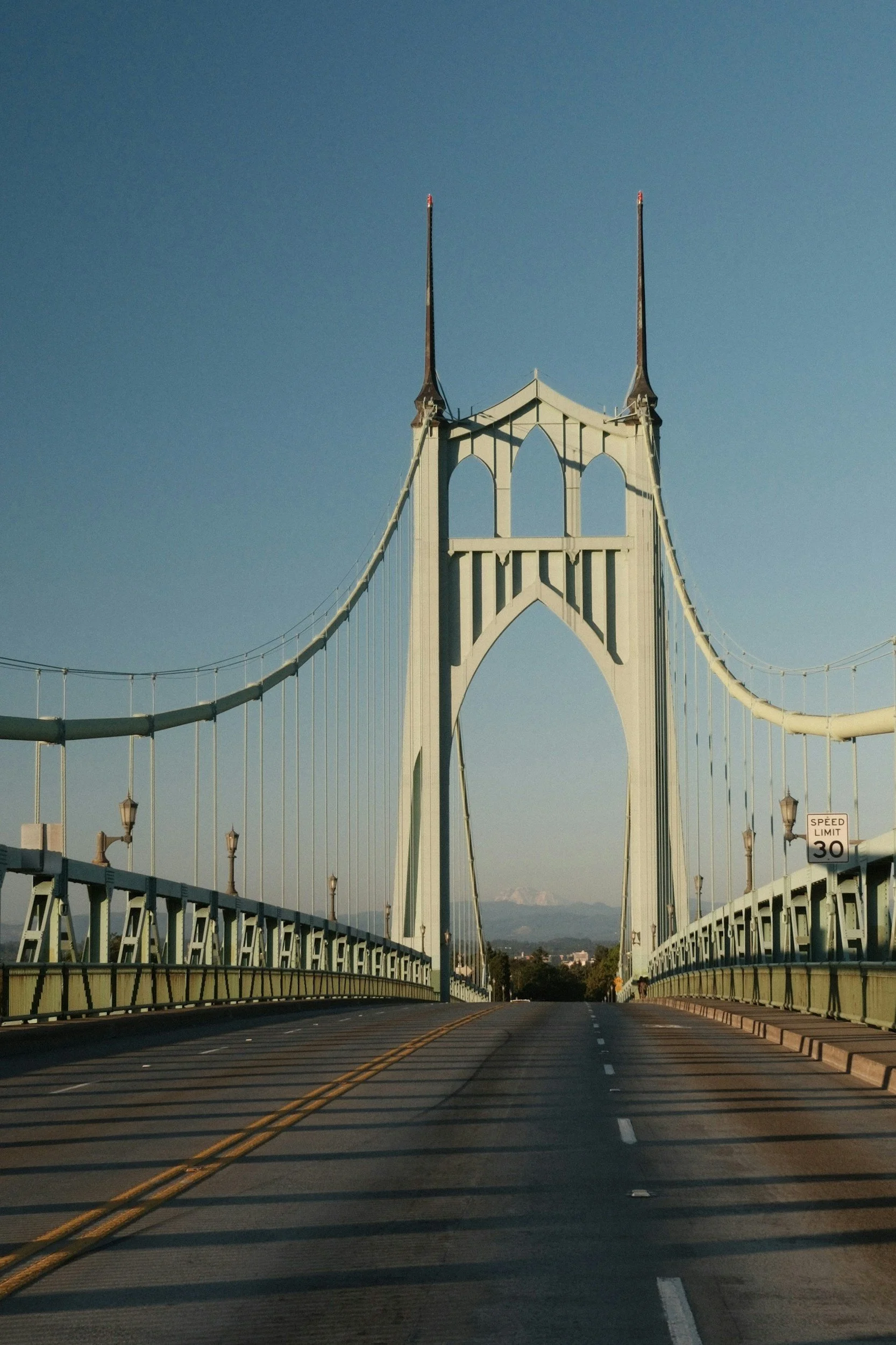
Then there's the St. Johns Bridge, the one that makes people actually pull over to take photos. Completed in 1931 during the Great Depression, it's a Gothic-style suspension bridge with those dramatic towers that rise 400 feet above the water. It was controversial at the time—some folks thought the design was too fancy for a working-class neighborhood—but now it's arguably our most photographed bridge. Here's a detail most people miss: the bridge was painted "St. Johns Green" specifically to complement the surrounding landscape, and that color has been maintained through every repainting since. If you want the insider view, take the Cathedral Park trail underneath. The bridge's Gothic arches create this cathedral-like space that's especially moody on overcast days, which means it's perfect about 200 days a year.
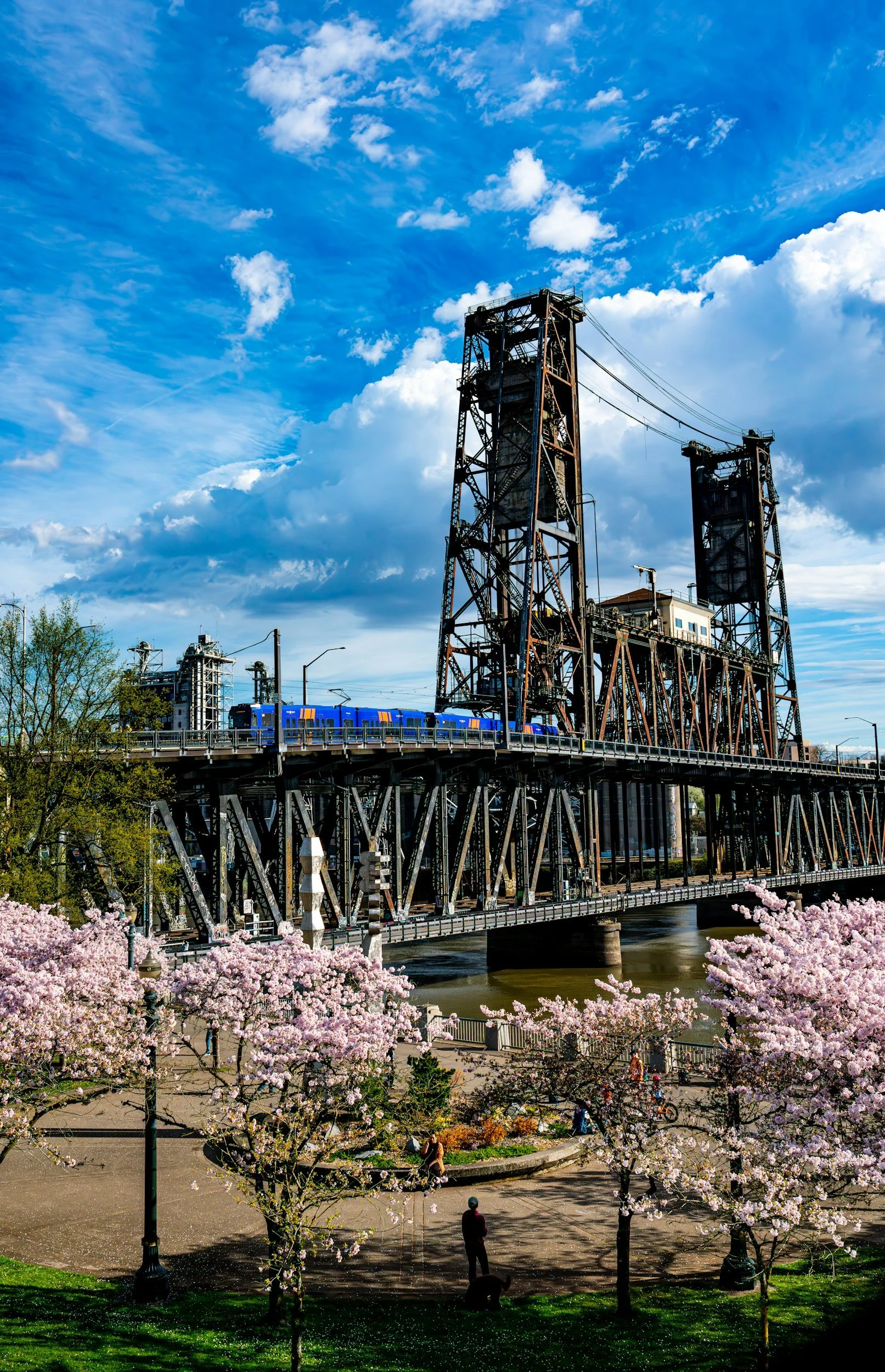
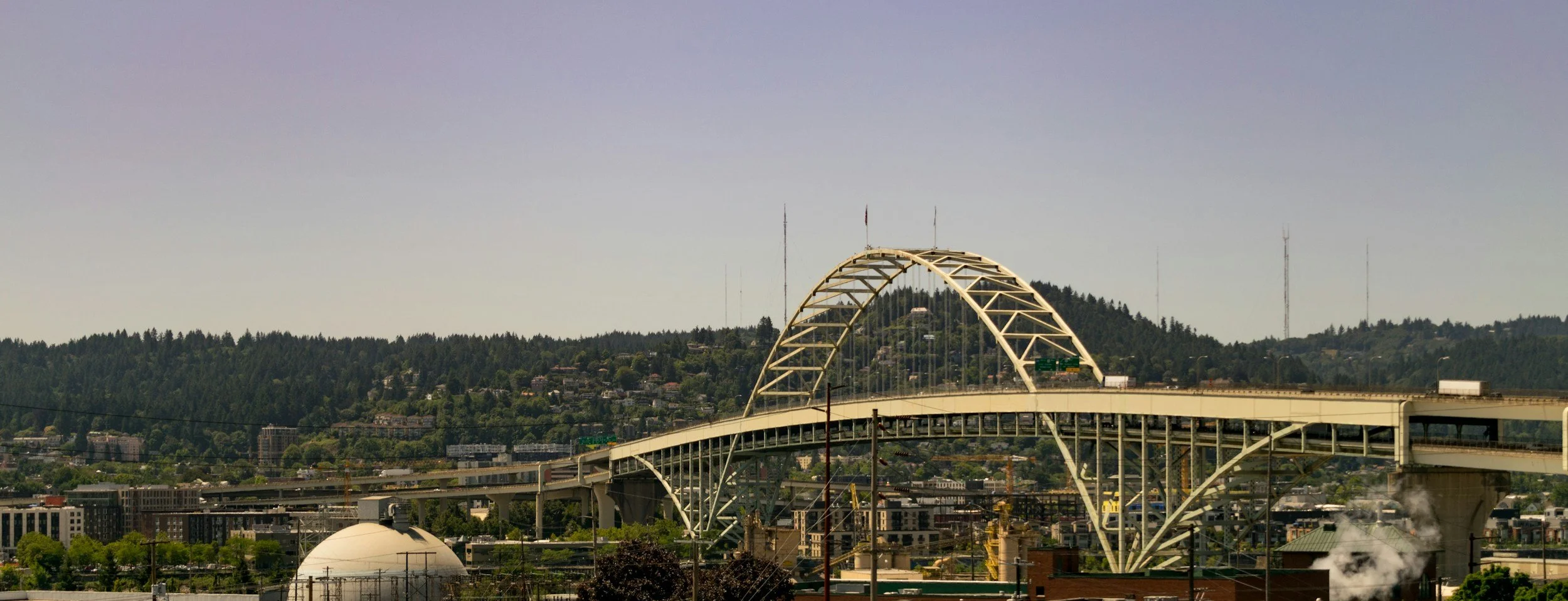
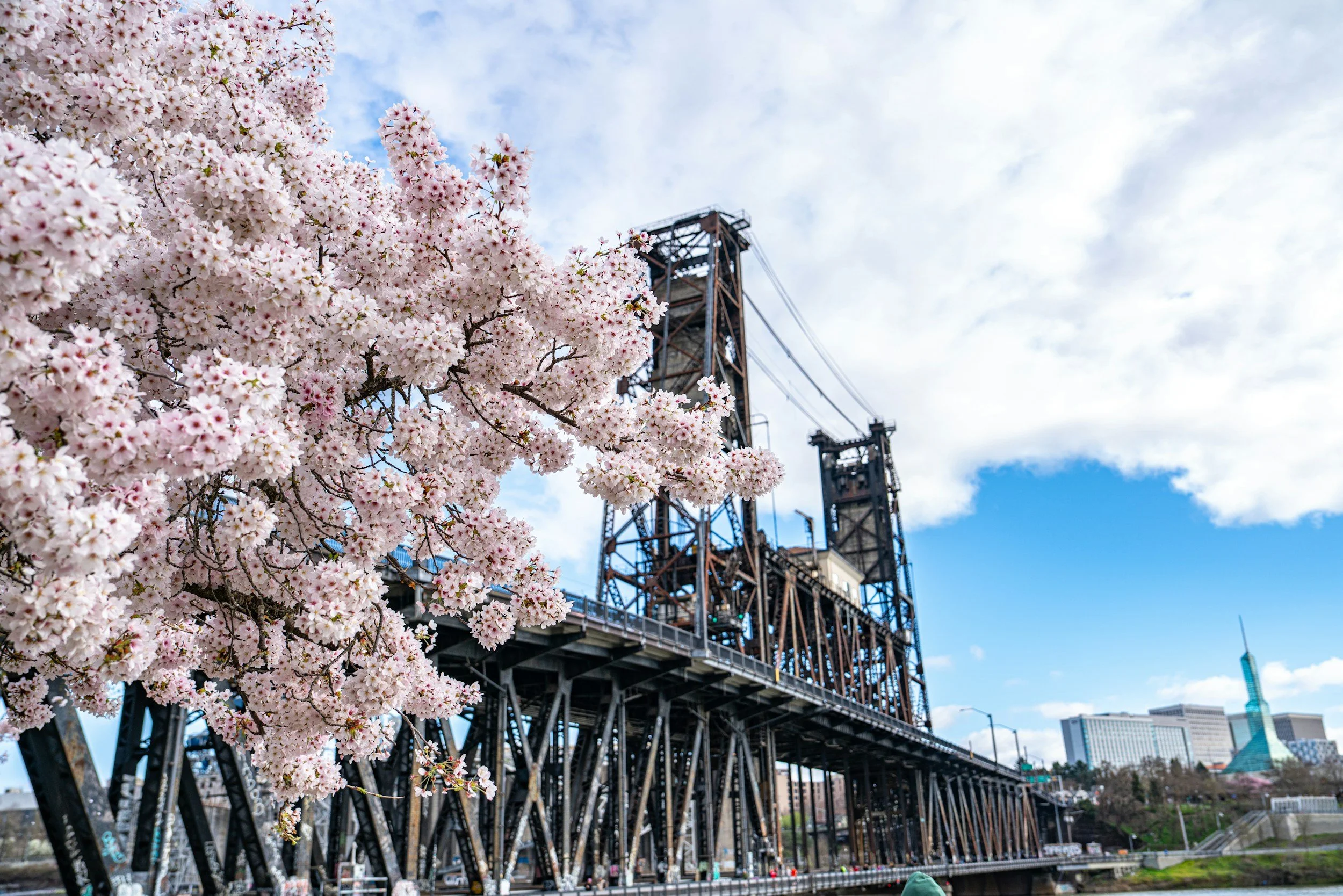
The Steel Bridge might look like just another utilitarian crossing, but it's got a trick up its sleeve: it's the only telescoping double-deck vertical-lift bridge in the world. The lower deck can lift independently from the upper deck, which means trains can keep running on top while boats pass underneath. Built in 1912, it's been quietly doing this engineering marvel thing for over a century while everyone's been busy Instagramming the Fremont. Speaking of the Fremont, that 1973 newcomer tied with the Broadway as the longest tied-arch bridge in the world when it opened, though it's since been surpassed. Still, it's a workhorse that carries I-405 traffic and offers some of the best bridge-level views of downtown if you're willing to walk the pedestrian path.
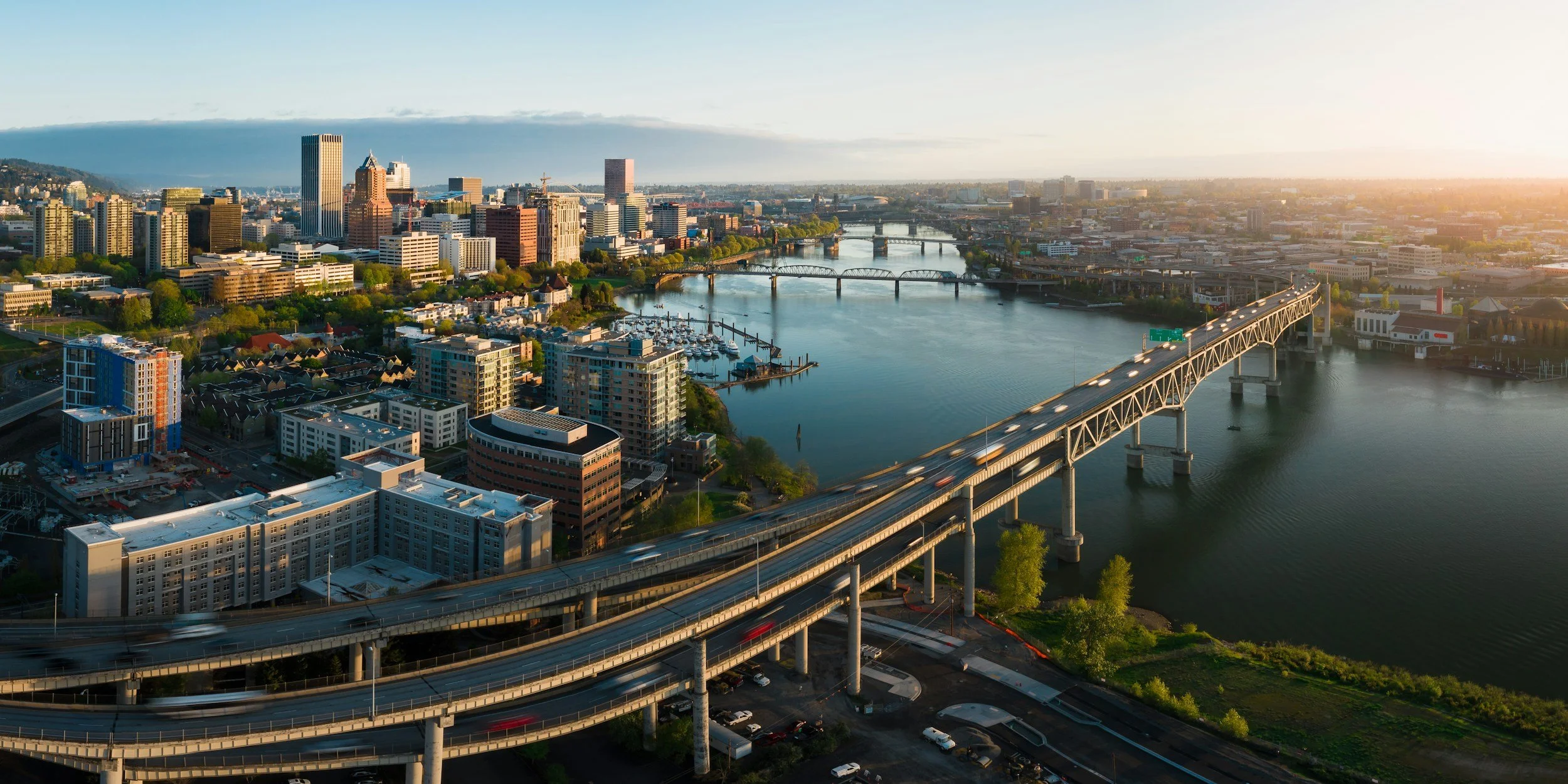
What makes Portland's bridges special is how they've shaped the city's neighborhoods and identity. The Broadway Bridge connected Northeast and Northwest Portland when it opened in 1913, fundamentally changing how the city developed. The Marquam Bridge, as architecturally unloved as it is (even its designer later called it ugly), opened up commuter access between the east side and Southwest Portland in 1966. And the Tilikum Crossing, which opened in 2015 as the first major bridge in the U.S. built specifically for public transit, bikes, and pedestrians (no private cars allowed), represents where Portland is heading: prioritizing how people actually want to move through their city.
Next time you're crossing one of these bridges, take a second to appreciate that you're not just getting from point A to point B, you're traveling through Portland's past, present, and future, all held up by steel, concrete, and a whole lot of local character.